
Your safety comes first
Telehealth is a genuinely good way to deliver a lot of care. It is not right for everything, and being honest about that is part of keeping you safe. This page explains how we protect patients, when we will recommend a different setting, and where to turn if you need help urgently.
If this is an emergency
Telehealth is not an emergency service. If you or someone else is in danger, or you have symptoms like chest pain, difficulty breathing, severe bleeding, or signs of a stroke, call 000 now or go to your nearest emergency department.
If you are in crisis or thinking about harming yourself, please reach out right away. Lifeline: 13 11 14 (24 hours). Beyond Blue: 1300 22 4636 (24 hours). 13YARN, for Aboriginal and Torres Strait Islander people: 13 92 76.
When we will recommend in-person care
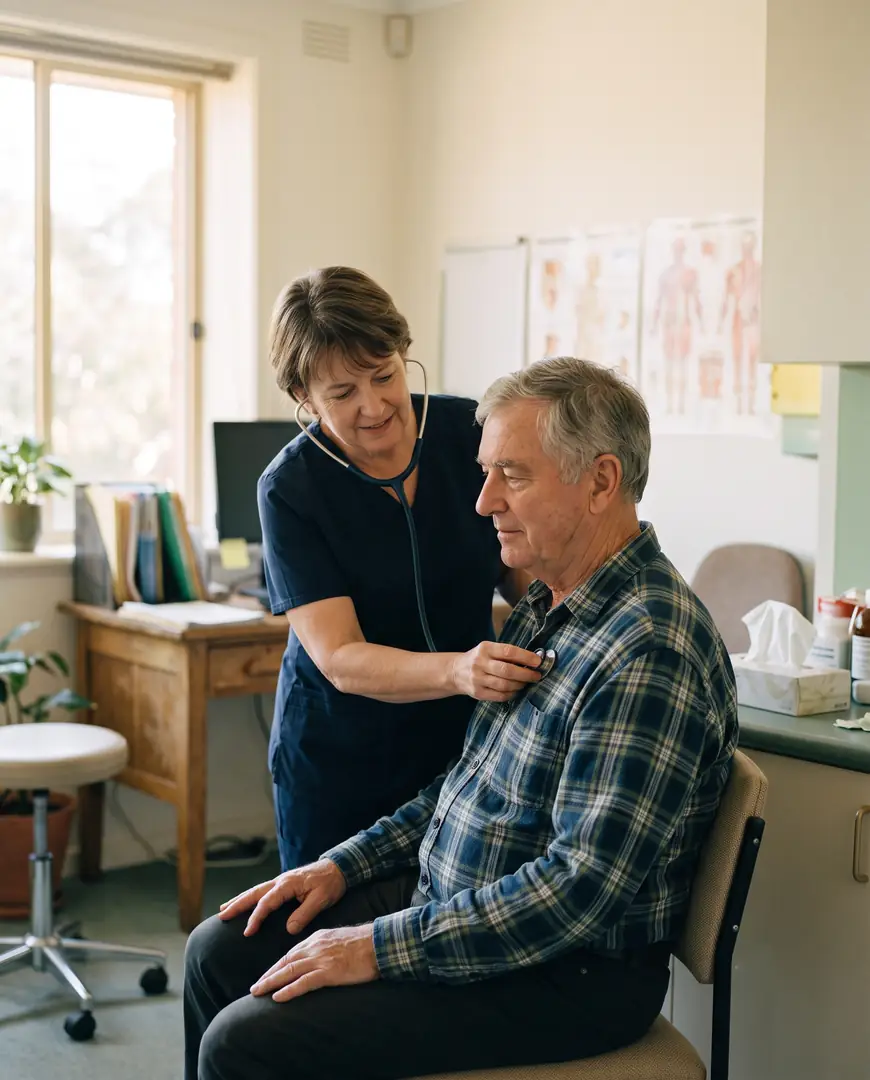
Your practitioner will recommend an in-person option when your situation calls for it, for example when a physical examination is needed, when symptoms are serious or worsening, or when a hands-on test is required to be safe. Recommending the right setting is part of good care, and we would always rather do that than stretch telehealth past where it belongs.
How we protect patients
Real consultations
We assess and prescribe through real-time consultations, not questionnaires.
Registered practitioners
Every practitioner is AHPRA-registered, with details published on their profile.
Appropriate prescribing
Prescriptions are provided only where they are clinically appropriate and safe.
Follow-up and monitoring
Where treatment continues, review and monitoring are built in.
Clear limits
We tell you plainly when something is outside what telehealth can safely offer.
Helping us keep you safe
Give your practitioner accurate information about your health, your medications and your history. Tell them if something changes or gets worse. Follow the plan you agree together, and come back for review when asked. Safe care is a partnership.
Start the free quiz